Global GPUaaS Market – Size, Share, Trends, Growth Forecast, and Competitive Analysis (2025–2031)
Report Summary
Global GPUaaS Market is segmented by Pricing Model (Subscription-based plans, Pay-per-use), by GPU Model Category (High-End Flagship, Enterprise Performance, Mid-Range & Entry), by Service Model (IaaS, PaaS, SaaS), By Organisation Size (Large enterprises, SMEs & Startups, Government & Academic), by Application(AI & Machine Learning, Gaming, IT & Telecommunications, Healthcare & Life Sciences, Media & Entertainment, BFSI, Manufacturing, Automotive, Others (Retail, Education),by Geography (North America, Asia Pacific, Europe, MEA & Latin America.)
Report Overview:
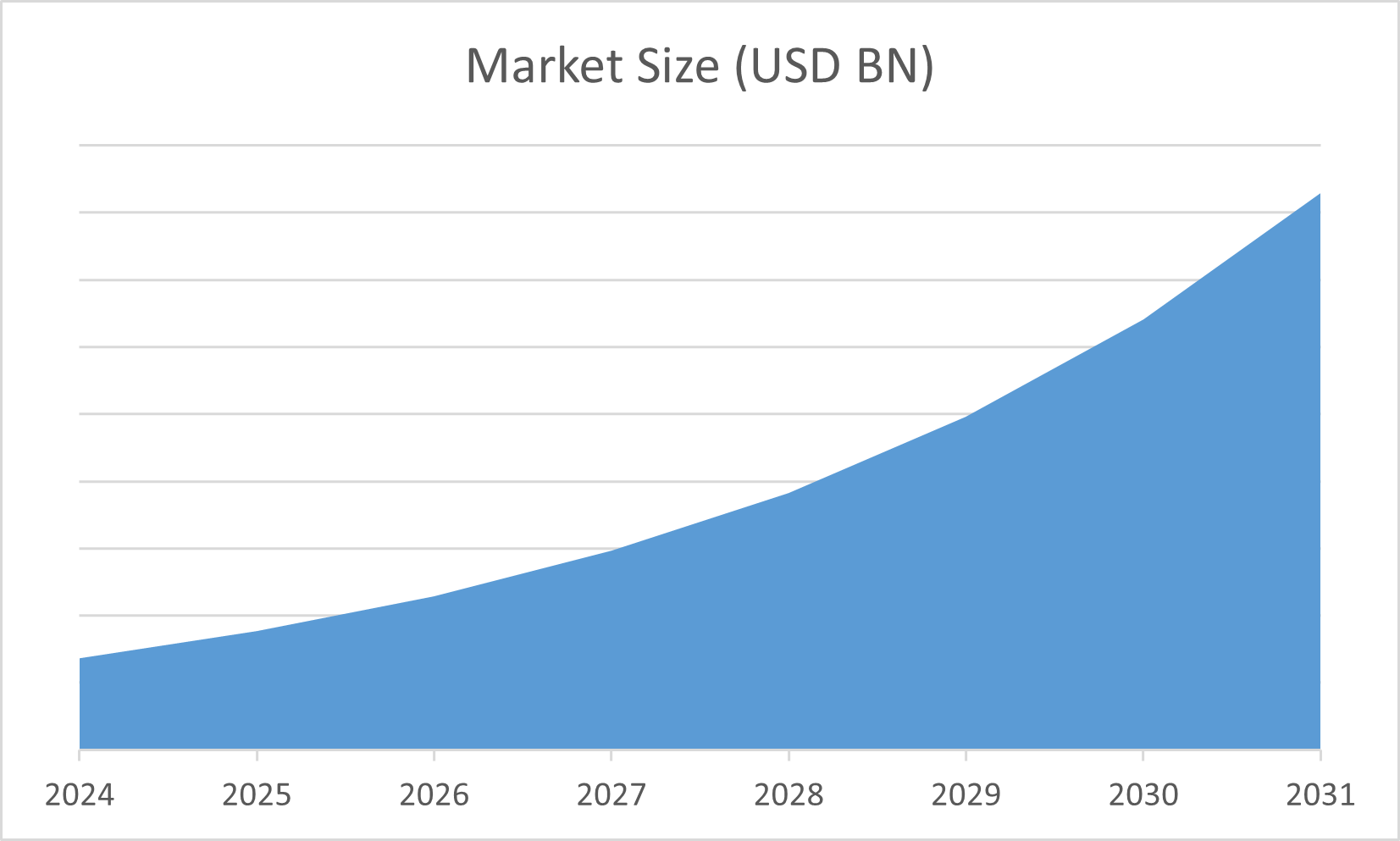
The global GPUaaS Market has become a critical enabler of AI-driven digital infrastructure, driven by the rapid expansion of generative AI, high-performance computing needs, and growing demand for scalable cloud-based acceleration. In 2024, the market is valued at approximately USD 6.86 billion and is expected to reach around USD 41.45 billion by 2031, supported by increasing enterprise adoption of AI workloads, rising demand for on-demand GPU computing, and continuous investments in hyperscale cloud infrastructure. The market is projected to grow at an estimated ~29-31% CAGR, as organizations increasingly prefer flexible, consumption-based GPU services over capital-intensive on-premise hardware deployments.
Drivers:
Explosive growth in AI and generative AI workloads
The rapid adoption of artificial intelligence, generative AI, large language models, and deep learning applications is significantly accelerating demand for high-performance GPU computing resources delivered through cloud-based GPUaaS platforms.
Rising need for scalable high-performance computing (HPC
Organizations increasingly require scalable, on-demand computing infrastructure to handle complex simulations, analytics, rendering, and scientific workloads without investing in expensive in-house hardware.
Cost efficiency compared to on-premise GPU infrastructure
GPUaaS enables enterprises to avoid high upfront capital expenditure associated with purchasing and maintaining GPUs, offering flexible pay-per-use and subscription pricing models that improve cost optimization.
Growth in cloud adoption and digital transformation
The expanding use of cloud platforms across industries is driving the shift toward GPU virtualization and cloud-based computing services, supporting remote accessibility and operational flexibility.
Challenges :
High cost of advanced GPU hardware and supply constraints
The rising cost and limited availability of next-generation GPUs, especially those designed for AI training workloads, create procurement challenges for service providers and can limit service scalability.
Energy consumption and sustainability concerns
GPU-intensive computing workloads require significant power consumption and cooling infrastructure, raising operational costs and increasing environmental sustainability pressures.
Data security and compliance risks in cloud environments
Enterprises handling sensitive data face concerns related to cybersecurity, data sovereignty, and regulatory compliance when adopting shared cloud-based GPU resources.
Integration complexity with legacy IT systems
Organizations often face challenges integrating GPUaaS platforms with existing enterprise IT infrastructure, software stacks, and data workflows.
What This Report Covers:
A multi-dimensional view of the GPU-as-a-Service (GPUaaS) ecosystem, mapping how advances in AI computing, cloud infrastructure, and accelerated processing technologies are reshaping the global high-performance computing landscape.
A region-by-region growth narrative, explaining why certain markets lead in GPU cloud adoption and how investment intensity, AI policy frameworks, and digital infrastructure maturity are redefining competitive positioning.
A detailed structural evolution of computing models, capturing the transition from on-premise GPU ownership toward scalable, on-demand, and cloud-native acceleration architectures.
An in-depth assessment of performance and cost optimization pathways, analyzing how pricing models, deployment strategies, and workload types influence long-term operational efficiency and market competitiveness.
A future-ready segmentation framework, enabling stakeholders to understand where demand is emerging, stabilizing, or structurally shifting across service models, enterprise sizes, industries, and GPU performance tiers.
Key highlights:
The GPUaaS market was valued at USD 6.86 billion in 2024 and is projected to reach USD 41.45 billion by 2031, growing at a 29-31% CAGR, driven by accelerating AI workloads and rising enterprise shift toward cloud-based accelerated computing.
By pricing model, subscription-based GPUaaS leads with ~54% market share in 2024 and is expected to reach USD 18.8 billion by 2031, while pay-per-use models grow faster at 32.5% CAGR due to demand from AI startups and short-term workloads.
By GPU model category, high-end flagship GPUs dominate with ~51% share in 2024, growing at a 30.8% CAGR, supported by large-scale AI training demand.
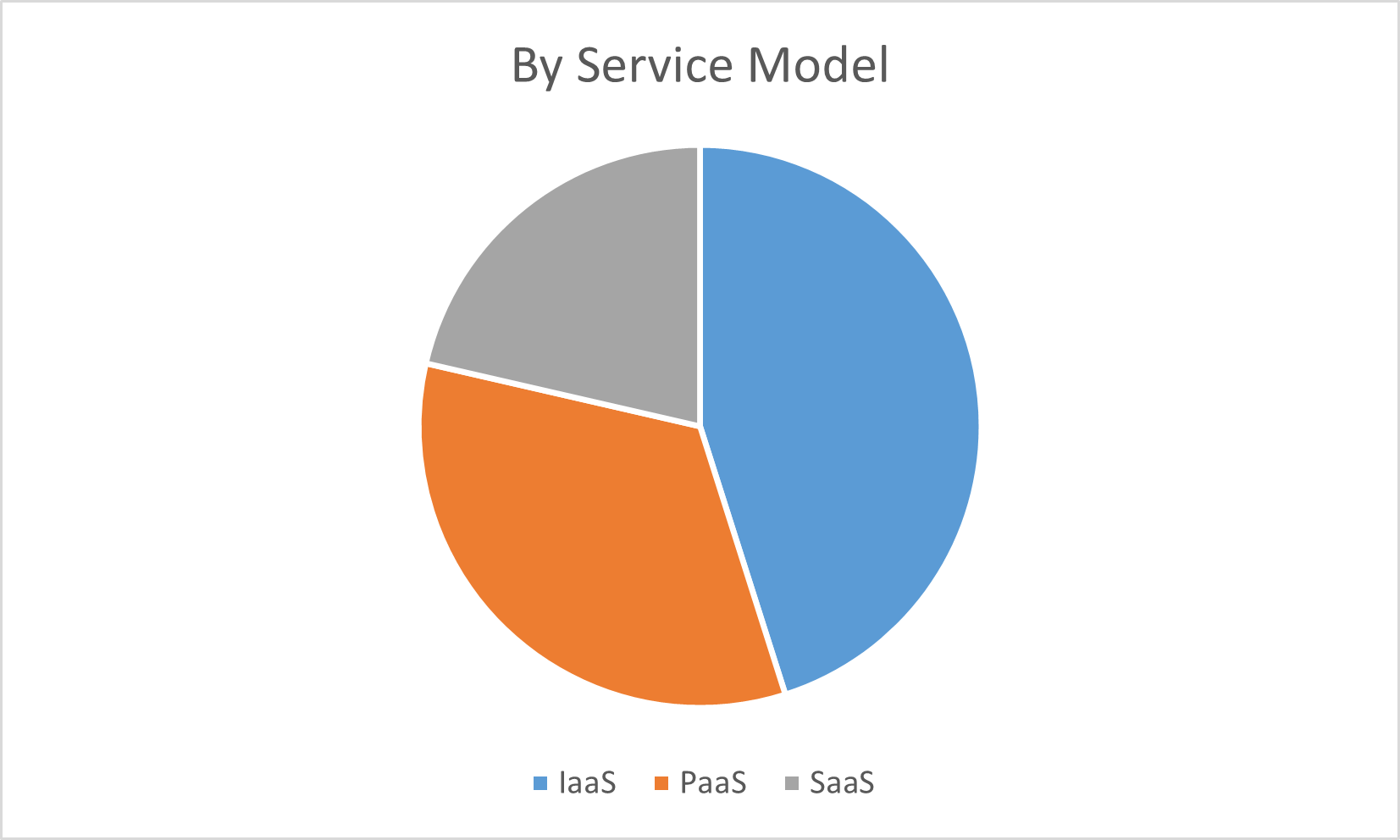
By service model, IaaS-based GPU services hold the largest share at ~51% , estimated at USD 3.6 billion, while SaaS-based GPU offerings record the fastest growth at 32% CAGR, driven by AI APIs and cloud-based application delivery.
By organization size, large enterprises dominate with ~57% share in 2024, while SMEs & startups represent the fastest-growing segment at 34% CAGR, driven by increasing accessibility of cloud GPU services.
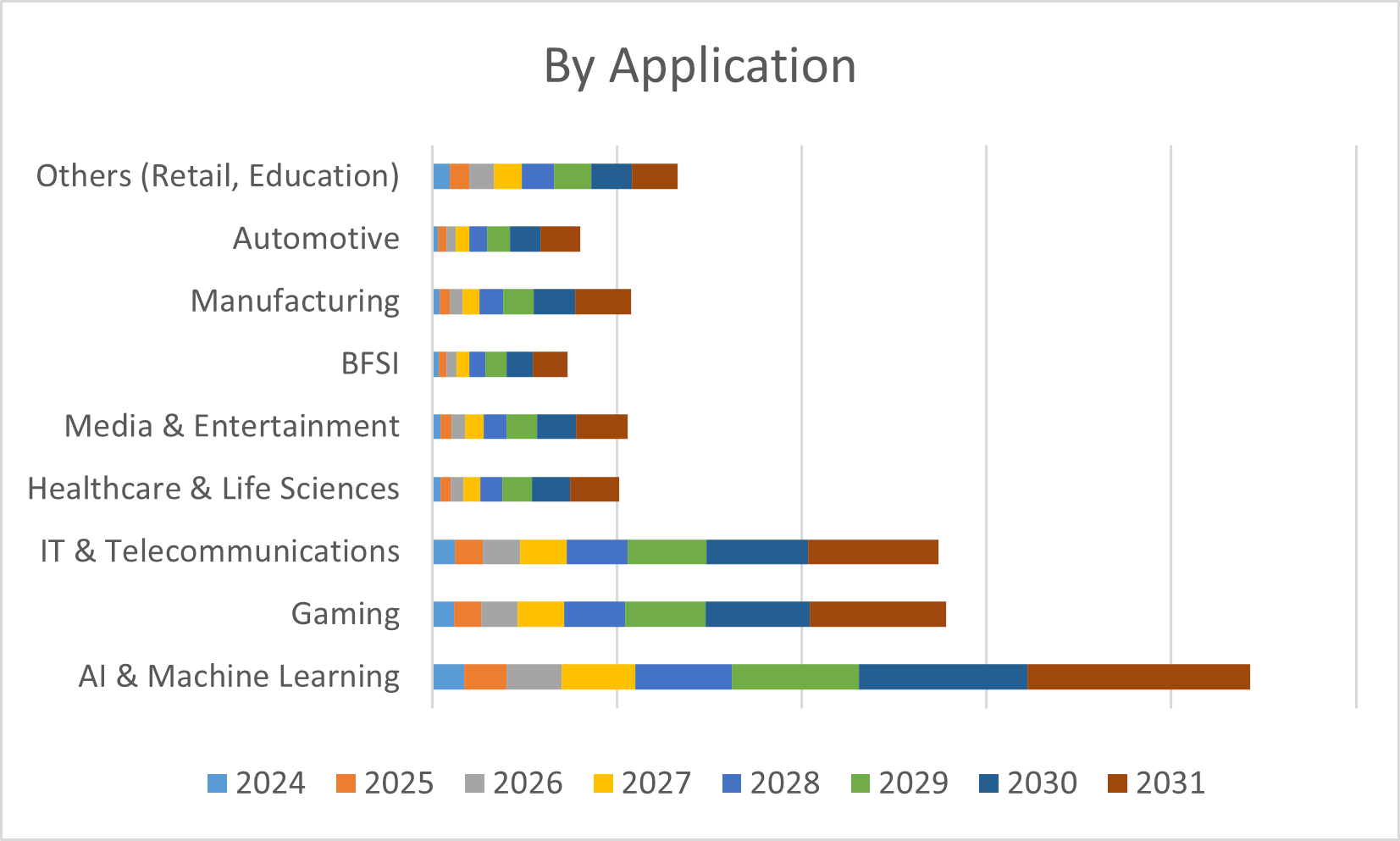
By application/vertical, AI & Machine Learning is the largest segment with ~25% market share in 2024 and grows at a 31.5% CAGR, reflecting the rapid expansion of generative AI and deep learning adoption.
By region, North America leads with ~3% market share in 2024 (USD 2.54 billion), whereas Asia-Pacific is the fastest-growing region at 31.5% CAGR, supported by expanding AI infrastructure investments.
Key Questions Answered in This Report
- What are the key market trends and growth drivers?
- Who are the major players and what are their market strategies?
- What is the market size and forecast for the coming years?
- What are the regional market dynamics and opportunities?