Revolutionizing Healthcare: Surgical Robotic Systems
In recent years, technological advancements have revolutionized various sectors, and the field of healthcare is no exception. One such groundbreaking advancement is the integration of surgical robotic systems into healthcare practices. These systems have significantly transformed the landscape of surgery, offering numerous benefits such as enhanced precision, quicker recovery times, and improved patient outcomes. In this blog post, we will delve into the fascinating world of surgical robotic systems and explore their impact on modern healthcare.
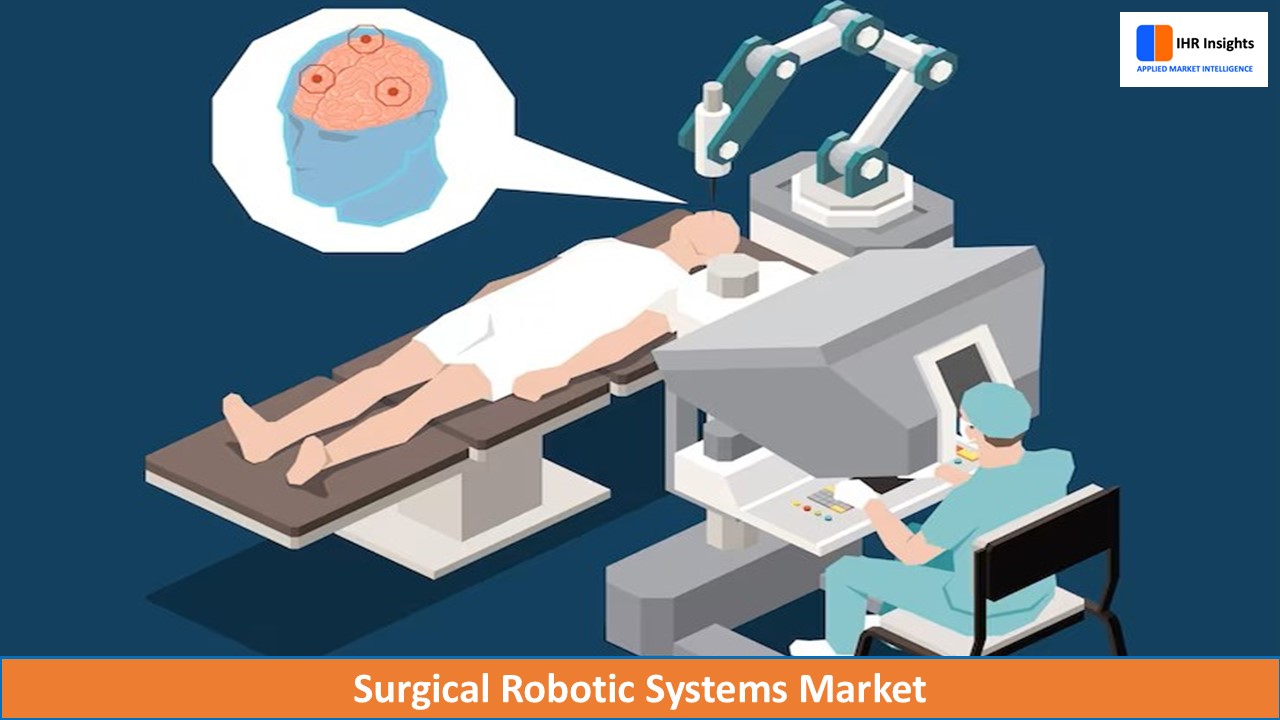
In recent years, technological advancements have revolutionized various sectors, and the field of healthcare is no exception. One such groundbreaking advancement is the integration of surgical robotic systems into healthcare practices. These systems have significantly transformed the landscape of surgery, offering numerous benefits such as enhanced precision, quicker recovery times, and improved patient outcomes. In this blog post, we will delve into the fascinating world of surgical robotic systems and explore their impact on modern healthcare.
The Rise of Surgical Robotics
Surgical robotics involves the use of robotic systems to assist surgeons during surgical procedures. These systems are controlled by skilled surgeons and provide a level of precision and control that surpasses traditional surgical techniques. The concept of surgical robots can be traced back to the early 1980s, with the development of the first robotic surgical system, the PUMA 560, by General Electric.
The evolution of surgical robotics gained momentum with the introduction of the da Vinci Surgical System in the early 2000s. Developed by Intuitive Surgical, this system quickly became the gold standard in robotic-assisted surgery. It offered a three-dimensional view, greater dexterity, and increased surgical precision, allowing surgeons to perform complex procedures with more efficiency and accuracy.
Advantages of Surgical Robotic Systems
1. Enhanced Precision:
Surgical robotic systems provide precise and steady movements, eliminating even the slightest tremor. This high level of precision is especially beneficial in delicate surgeries or procedures that require meticulous control.
2. Minimally Invasive Surgery:
Robotic systems enable minimally invasive procedures, reducing the size of incisions. This leads to faster healing, less pain, and shorter hospital stays, ultimately benefiting the patient in terms of recovery and overall experience.
3. Improved Visualization:
Surgical robots offer a three-dimensional, high-definition view of the surgical site. This enhanced visualization helps surgeons navigate through intricate anatomy with greater accuracy, enhancing the success of the surgery.
4. Ergonomic Advantages:
Surgeons operate robotic systems from a console, providing a more comfortable and ergonomic position compared to traditional surgery. This reduces surgeon fatigue during prolonged procedures.
5. Remote Surgery:
Some surgical robotic systems allow for remote surgery, enabling surgeons to perform procedures from a different location. This is especially useful for providing surgical expertise to remote or underserved areas.
Applications in Healthcare
Surgical robotic systems find applications in various surgical specialties, including but not limited to:
1. General Surgery:
Robotic systems are used in procedures such as hernia repair, gallbladder removal, and colorectal surgery, enabling precise and minimally invasive interventions.
2. Gynecology:
In gynecological surgeries, robotic systems are utilized for procedures like hysterectomy and myomectomy, offering enhanced precision and quicker recovery for patients.
3. Urology:
Surgical robots are widely used in urological procedures such as prostatectomy, nephrectomy, and cystectomy, providing improved outcomes and reduced postoperative complications.
4. Cardiothoracic Surgery:
Robotic systems are employed in cardiac procedures like mitral valve repair and coronary artery bypass grafting, enabling precise maneuvers in a confined space.
Future Prospects
As technology continues to advance, the future of surgical robotic systems is promising. We can anticipate further refinements in robotic capabilities, improved integration of artificial intelligence, and the development of more specialized robotic systems for specific surgical procedures. These advancements will likely lead to even more precise, efficient, and accessible surgical interventions, ultimately benefiting patients and revolutionizing the healthcare industry.
Read More from our latest study on Surgical Robotic Systems report.
In conclusion, surgical robotic systems have brought about a paradigm shift in healthcare, redefining the possibilities of surgery and patient care. With their potential to improve surgical outcomes and enhance the quality of healthcare delivery, surgical robots are paving the way for a future where surgeries are safer, less invasive, and more successful.
– Analyst Team
IHR Insights